Design is changing, and not just on the surface. Digital tools evolve at a dizzying pace every year, yet traditional techniques continue to play a leading role. In fact, it is precisely this coexistence of the hand-made gesture and digital precision that gives projects the distinctive edge clients are looking for today.
More and more professionals are embracing hybrid design: a way of working that combines manual processes with digital technology to achieve more original projects, with more soul and more personality. This fusion is, without a doubt, one of the big stars of the 2026 design trends. It is not about replacing craftsmanship, but about enhancing it with everything today’s tools have to offer.
How analogue design influences digital design
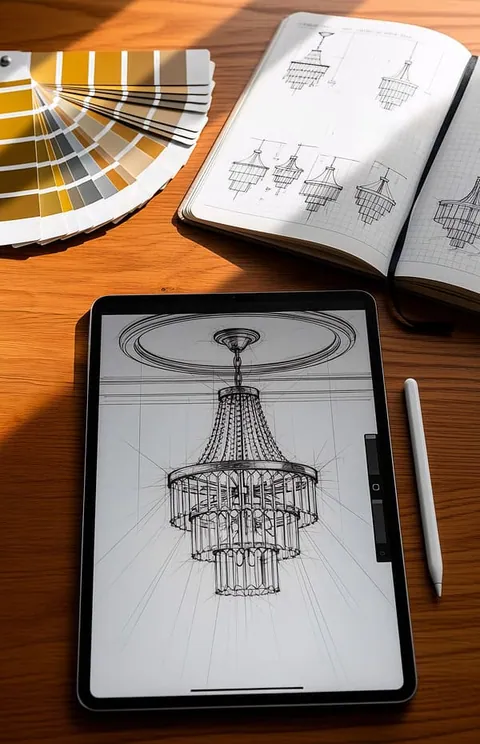
Despite all the technology available, the first sketches are still born on paper. Pencil, ink and watercolour remain very much present in design, illustration and branding studios, and everything suggests they will stay that way for a long time to come.
These analogue illustration techniques bring something no digital tool has yet managed to replicate fully: spontaneity. The textures, imperfections and small details that emerge from an imperfect stroke give the final result authenticity, a value that is increasingly hard to find in a world saturated with polished, perfect content.
Once digitised, these pieces can be edited, adapted and optimised without losing their original essence. On Behance, for example, the “Best of Behance” section regularly highlights projects each season that start from a scan of paper, ink or physical collage and are then polished off digitally. It is a good starting point for seeing the real process behind these pieces, beyond the finished result.
This combination of manual creativity and technology is, ultimately, the foundation of hybrid design.
Tools and techniques for integrating analogue and digital design
Today’s technology allows for far more flexible ways of working than a few years ago. There are now numerous digital design tools that make it easy to integrate traditional illustrations into any project, and each studio ends up finding its own combination depending on the type of work and the result it is after.
Adobe Photoshop and Adobe Illustrator remain two of the most widely used options in the sector. But tools such as Procreate, Affinity Designer and Figma have also gained considerable ground, especially among teams that combine illustration, visual identity and interface design in a single workflow. Adobe itself offers resources and tutorials designed for hybrid workflows, from scanning sketches to final file preparation.
The process, despite its apparent simplicity, usually follows the same steps:
- Create a sketch by hand, without rushing and free from digital constraints.
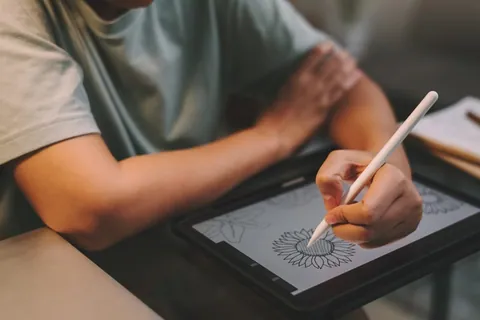
- Digitise it with a scanner or a graphics tablet.
- Adjust lines, colours and textures with your chosen software.
- Prepare the final design for print or digital publication.
This system preserves the natural feel of the original drawing while making the most of everything professional software has to offer.
More and more studios are adopting this workflow, above all because it cuts production time without giving up the wider range of creative options.
Emerging trends in hybrid design for 2026
The 2026 design trends reveal a sector that is, above all, looking to stand out. Brands want to communicate in a more human way and move away from the overly generic designs that flood social media and catalogues.
One of the most notable trends is precisely the revival of hand-made textures. Recycled papers, brushstrokes, collage and engravings are once again part of many graphic projects, as if the sector were reclaiming a language it should never have fully abandoned.
There is also growing use of typefaces created by hand and later digitised, a resource that brings exclusivity and strengthens brands’ visual identity in a way no generic font can match.
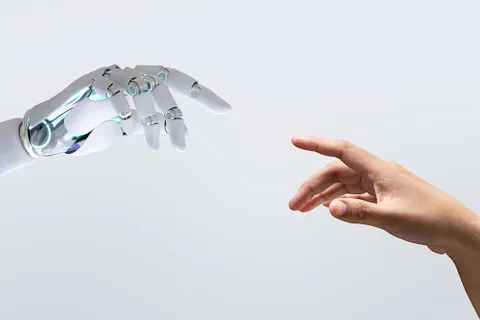
At the same time, artificial intelligence is joining creative processes as one more support tool: it automates repetitive tasks, but art direction continues to depend, and will continue to depend, on the designer’s judgement.
In fact, some analyses of graphic design trends for 2026 suggest that part of the rise of the analogue aesthetic is a response to audience fatigue with content generated entirely by AI, often perceived as too perfect and too cold. The imperfections of a hand-drawn stroke, by contrast, are read as an unmistakable sign that there is someone behind the design.
This balance between human creativity and technology is precisely one of the keys to hybrid design.
What’s more, specialist portals such as Creativebloq showcase projects every year that combine traditional illustration, animation and immersive digital experiences. This kind of work has become an essential reference for studios and professionals around the world.
A fusion that is here to stay
Hybrid design is not a passing fad, but a shift in thinking about what makes a project truly connect with the people who see it. Combining analogue illustration techniques with digital design tools makes it possible to create more authentic and flexible pieces, and everything suggests that this creative design fusion will gain even more weight in branding, editorial design and digital experience over the coming months.
The question is no longer whether it is worth mixing techniques, but how far each studio is willing to go.
If you would like to explore how hybrid design can give your brand more personality, we at acrōnim are here to help.