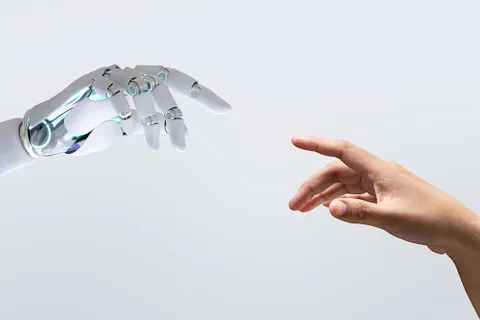
Artificial intelligence in design and its applications in visual communication are expanding at an unstoppable pace. From graphic design to the creation of advertising content, technology is redrawing the limits of what is possible. But this new landscape also raises questions: how far can (and should) we let the machine take part in human creativity?
How AI is revolutionising visual design
Graphic design, traditionally a discipline grounded in human intuition and experience, has found an unexpected ally in AI. Platforms such as Midjourney or Adobe Firefly can generate images from text descriptions, cutting production time and delivering surprising results. Other tools, such as DALL·E, open up a new range of visual possibilities within reach of any professional.
This evolution means optimised processes and a democratisation of design: today, thanks to AI in marketing, small businesses can access high-level visual resources without needing large budgets. Yet the key lies in knowing how to combine algorithmic potential with human strategic vision. Because, ultimately, aesthetics without intention don't communicate.
Artificial intelligence tools for content creation and advertising
The range of AI tools for marketing grows by the day. Some of the most widely used today for creating content and campaigns are:
- ChatGPT or Jasper for generating advertising copy, scripts or social media content.
- Synthesia or Pictory, which let you create videos with digital avatars and AI-generated voice-overs.
- Runway ML, with automated video editing and moving-image generation capabilities.
- Canva with AI, which already integrates assistants for designing presentations, videos and graphic elements.
These solutions help create more agile, personalised and cost-effective content. But they also raise a new challenge: making sure the message stays consistent with the brand identity and with human values. Here, more than ever, the role of the communication professional is decisive.
What are the ethical limits of AI in communication?
The debate around ethical communication with AI is unavoidable. Can we use AI to create fictitious voices or faces without saying so? Is it legitimate to publish machine-generated content without human supervision? What about the intellectual property of results created with AI?
These questions have a range of answers, but they all point to one clear need: to regulate and define the responsible uses of AI in communication contexts. Transparency, traceability and human oversight must be the three basic pillars.
We also need to bear in mind the biases that may be built into the data these technologies are trained on. An AI strategy will only be ethical if it is built on criteria of inclusion, equity and respect for cultural and social diversity.
Success stories in implementing AI in digital marketing
Several brands have already successfully integrated AI in marketing into their digital strategies. Some standout examples:
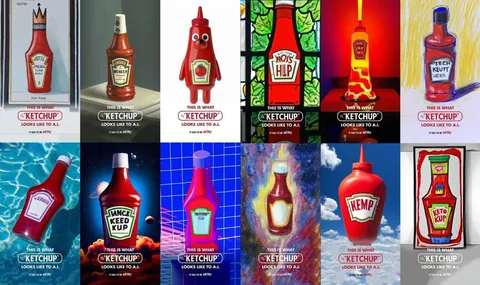
Heinz used generative AI to create hundreds of images of what “the ideal ketchup bottle” would look like. The result: a viral campaign showing how the collective imagination associates Heinz with the very concept of ketchup.
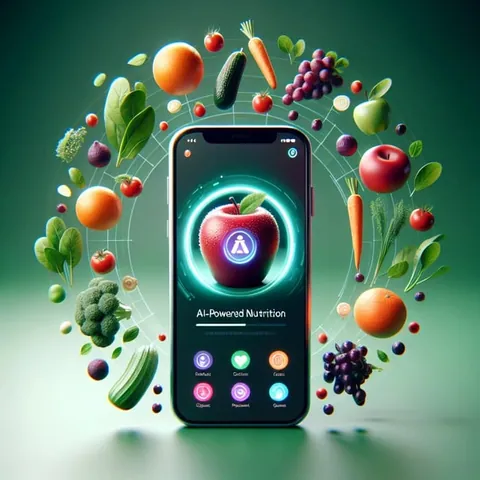
Nestlé has implemented AI tools for marketing to adapt creative assets to multiple markets in real time, saving production time and costs.

The North Face uses generative artificial intelligence to create thousands of inspiring messages and visuals in its “10,000 Reasons to Get to the Trail” campaign, where each piece encourages the audience to reconnect with nature through a unique, personal motivation.
These initiatives improve brands' efficiency and create more relevant, personalised experiences for consumers. And this is precisely where the great potential of AI strategies lies: in their ability to adapt, listen and respond nimbly to the audience's real needs.
Artificial intelligence in design and communication are disciplines that, combined well, can take creativity and efficiency to a whole new level. At acrōnim, we believe the key lies in knowing where to set the limits and how to apply technology with purpose and responsibility.
Want to bring AI into your communication strategy in an innovative and ethical way? We're here to help.