The way a design product is presented can be just as essential as the product itself. This is the result of the shift brought about by augmented reality, which businesses have had to integrate into their sales processes, with notable results in conversion figures.
How augmented reality is transforming the shopping experience in the design sector
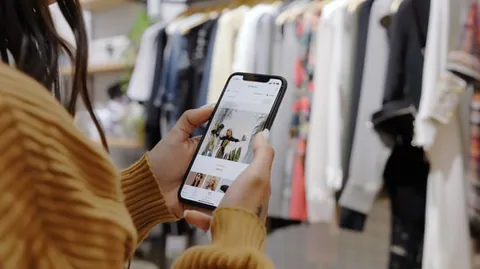
One of the main challenges of e-commerce is that customers cannot physically see or try a product before buying it. Thanks to augmented reality in design, this limitation is overcome by letting users visualise objects in their real surroundings using a phone or tablet.
Virtual product try-ons let customers check dimensions, colours and finishes in a real context before making any decision. This visualisation reduces doubts during the buying process and lowers the rate of returns, one of the costliest problems for online businesses.
Interactive 3D models provide a level of detail that photography simply cannot. Rotating and exploring a product from any angle gives a far more realistic sense of its features, and customers spend more time on the site with a different relationship to what they are about to buy. The result is an immersive shopping experience that meets the expectations of consumers who are increasingly unwilling to buy blind.
Innovative strategies for integrating augmented reality into your design business
Many companies start by adding specific features to their digital catalogue or online shop, with no need for major investment. The most common entry point is to create 3D models of the best-selling products or those that raise the most questions at the point of purchase. From there, integrating virtual try-ons directly into the e-commerce platform (with tools such as Zakeke or Threekit) has a direct impact on reducing cart abandonment.
Social media opens up another route. Instagram and TikTok allow you to create filters and interactive experiences that put products in context in a highly visual way.
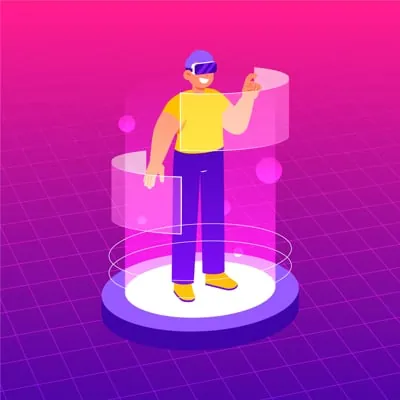
Immersive technologies in e-commerce also end up being a communication tool: brands that adopt them project an image that goes beyond the product.
How augmented reality can send your sales soaring in the design sector
When uncertainty falls, conversion rises. When the experience is memorable, the customer comes back. Industry studies suggest that consumers buy more readily when they can interact virtually with products and see them in context, and in design (where aesthetics and how a piece fits into a space decide almost everything) this factor is especially critical.
The combination of augmented reality in design, virtual product try-ons and interactive 3D models lets you offer something no static catalogue can: the certainty that the product is exactly what the customer expected. In a highly visual market, that shows in your sales.
Would you like to explore how augmented reality can transform the way you present and sell your projects?
At acrōnim we can help you find the right strategy for your business.